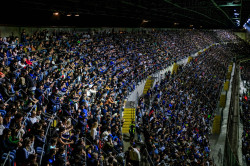
The Game of Emotions: How Excitement, Frustration, and Hope Shape Your Decisions


The Game of Emotions: How Excitement, Frustration, and Hope Shape Your Decisions
Whether you’re watching a cricket match, playing rummy with friends, or trying your luck in an online fantasy league, your decisions are rarely guided by logic alone. Emotions like excitement, frustration, and hope play a much bigger role than most of us realize. They can push you to take bold risks, chase losses, or hold on to optimism even when the odds are against you. But why do we react this way—and how can you become more aware of the emotional forces that influence your choices?
The Pull of Excitement
Excitement is one of the strongest motivators in any game. That rush you feel when Virat Kohli is on strike in the final over or when your fantasy team is just a few points away from victory—it’s your brain releasing dopamine, the chemical that rewards anticipation and novelty.
This thrill is what makes games so engaging. Many people play not just to win, but to feel that surge of adrenaline and the joy of uncertainty. However, when excitement becomes the goal itself, reason often takes a back seat. That’s when impulsive decisions creep in—placing one more bet, taking one more risk—because the emotional high feels too good to let go.
Læs også:




Frustration – When Losses Take Control
No one wins every time. But how we handle losses says a lot about our relationship with games. Frustration arises when reality doesn’t match our expectations—when a “sure thing” fails or luck turns against us. In those moments, it’s easy to fall into the trap of “chasing losses.”
Psychologists call this loss aversion: we feel the pain of losing much more intensely than the pleasure of winning. To escape that discomfort, we often double down, hoping to recover quickly. But frustration clouds judgment. It makes us act fast, not smart—and that can lead to even bigger losses.
Learning to accept losses as part of the game is key to staying in control. It’s not about suppressing emotions, but about recognizing them before they dictate your actions.
The Double Edge of Hope
Hope is what keeps us coming back. It’s the belief that the next match, the next hand, or the next spin will be different. Hope can be positive—it fuels motivation and perseverance. But it can also distort reality.
When hope turns into overconfidence, we start to overestimate our skills or underestimate risk. In gaming psychology, this is known as the gambler’s fallacy—the belief that luck must change simply because it hasn’t yet. In truth, each event is independent; the dice don’t remember the last roll.
Keeping hope realistic means distinguishing between probability and wishful thinking. It’s about trusting data and strategy, not just emotion.
When Emotions Take the Wheel
Behavioral economics shows that humans rarely make decisions based purely on logic. We’re influenced by mood, past experiences, and social context. In gaming, this might mean changing your strategy mid-session because you feel “on a roll” or “unlucky.”
Poker players call this state tilt—when frustration or excitement takes over and rational thinking disappears. Tilt isn’t just anger; it’s emotional imbalance. When you’re on tilt, you’re no longer playing strategically—you’re reacting to your feelings.
Recognizing when emotions are in control is the first step toward mindful play. Sometimes, it’s as simple as taking a break when you feel too high or too low, or setting clear limits before you start.
Playing with Your Head – Not Just Your Heart
Understanding the role of emotions doesn’t mean removing them. Games are meant to be thrilling and emotional. But you can learn to balance those feelings so they don’t control you.
Here are a few practical tips:
- Make a plan before you play. Set a budget and a time limit—and stick to them, no matter what happens.
- Know your triggers. Notice when you’re most emotional—after a loss, a win, or under pressure.
- Take breaks. A short pause can restore perspective and calm emotional reactions.
- Reflect afterwards. Ask yourself whether your decisions were based on strategy or emotion.
- Keep balance. Play for entertainment, not as a way to manage stress or finances.
When you understand your emotional patterns, you not only become a more conscious player—you also gain insight into how you make decisions in everyday life.
Emotions Never Disappear – But You Can Learn to Play with Them
Excitement, frustration, and hope are inseparable from the spirit of the game. They make the experience vibrant, but they can also lead you astray. The key isn’t to suppress them, but to understand them. When you learn how emotions shape your choices, you take back control—and play with both your head and your heart.
Læs også: