Shoes and Spikes: Small Details That Make a Big Difference on the Track

Shoes and Spikes: Small Details That Make a Big Difference on the Track
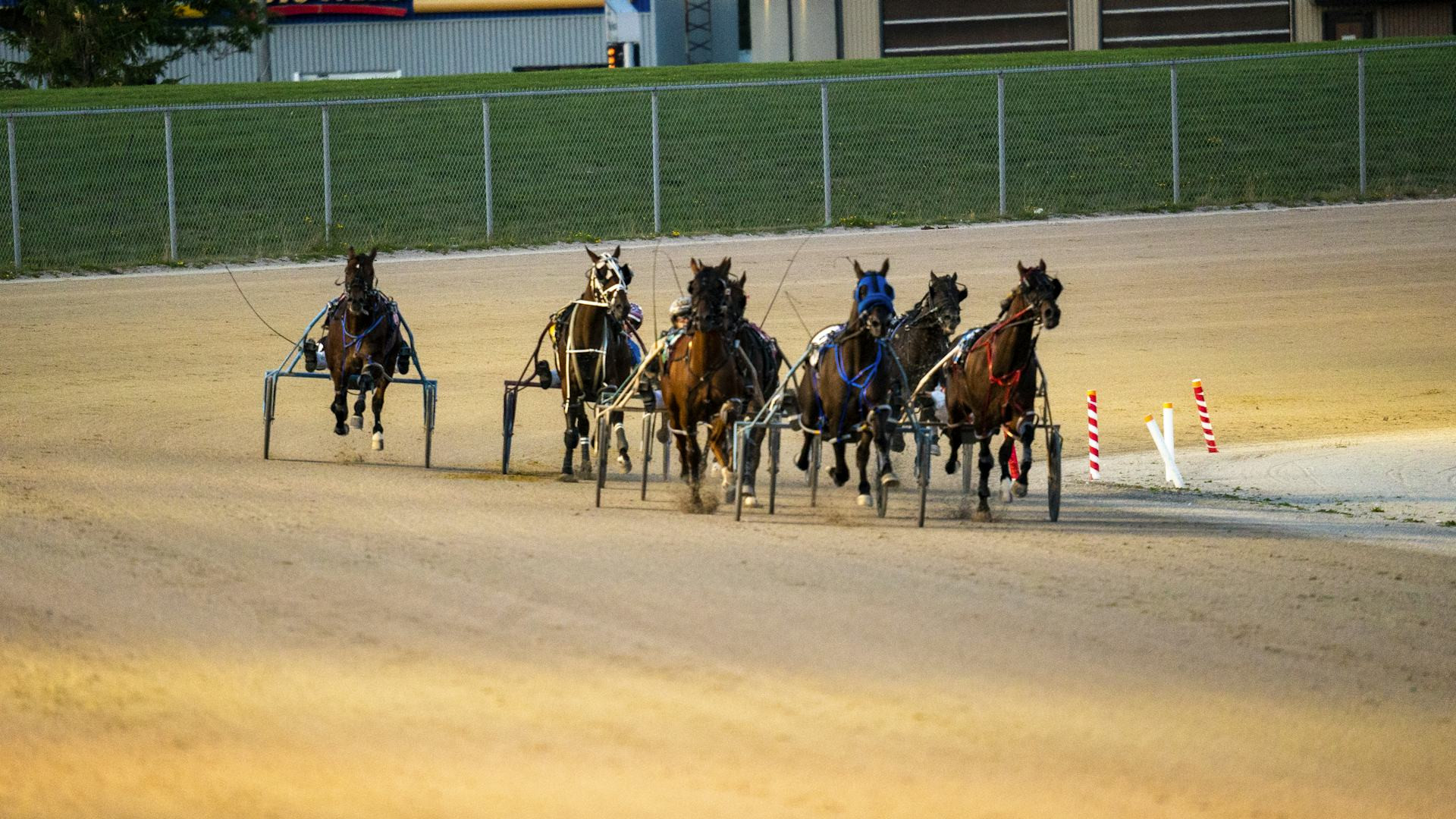
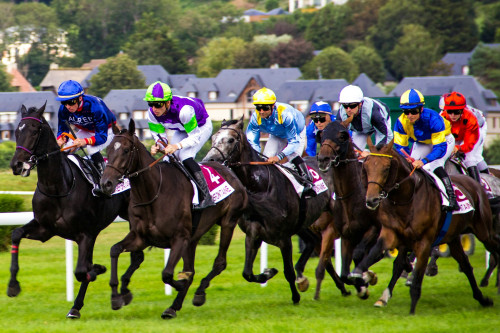
When racehorses thunder out of the starting gates, it’s not only training, fitness, and the jockey’s tactics that determine the outcome. Beneath the hooves lies one of the most crucial yet often overlooked factors: shoes and spikes. These small pieces of metal or composite material protect the horse’s hooves and influence speed, grip, and endurance. In Indian horse racing, where fractions of a second can decide victory, the right shoeing can make all the difference.
Why Shoes Matter
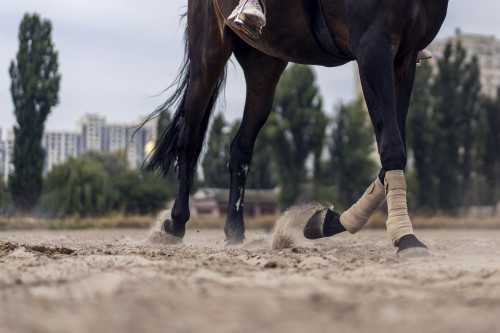
A horse’s hooves act as natural shock absorbers, but when running on hard or synthetic tracks—like those found in Mumbai, Hyderabad, or Bengaluru—they need extra protection. The design, weight, and material of the shoe affect how the horse moves and how force is distributed with each stride.
A shoe that’s too heavy can slow the horse and increase fatigue, while one that’s too light may reduce stability. The goal is to find the perfect balance between protection, comfort, and performance—tailored to both the horse’s anatomy and the track conditions.
Types of Shoes and Their Purposes
There are many types of horseshoes, and the choice depends on the racing discipline, surface, and the individual horse’s needs.
- Steel shoes – The traditional choice, used widely in Indian racing. They are durable and provide strong support but are heavier than alternatives.
- Aluminium shoes – Lighter and often preferred for flat racing, where every gram counts. They reduce the load on the legs and allow freer movement.
- Plastic and composite shoes – Modern materials that combine lightness with flexibility. They can be especially useful on softer or uneven tracks.
- Barefoot racing – Some trainers experiment with running horses without shoes, particularly on soft turf. This requires strong, healthy hooves and careful monitoring.
Shoes can also be fitted with spikes or studs to improve traction on slippery or wet surfaces—an important consideration during India’s monsoon season.
Læs også:
Adapting to Track Conditions
Track conditions play a decisive role in shoe selection. On a dry, firm track, a smooth shoe may offer maximum speed, while a wet or heavy track demands more grip to prevent slipping.
Trainers and farriers work closely to choose the best setup for the day’s conditions. Sometimes, shoes are even changed shortly before a race if the weather shifts. It’s a precise science that blends experience, intuition, and technical skill.
The Farrier’s Craft – Skill and Precision
A skilled farrier is an essential part of any professional racing stable. They assess the horse’s hoof shape, gait, and any imbalances before crafting or adjusting the shoes. Proper shoeing can prevent injuries, improve balance, and enhance performance.
Top stables in India often have dedicated farriers who know each horse’s unique needs. Even a millimetre’s difference in thickness or angle can influence how the horse runs and how efficiently it transfers power through each stride.
Technology and Innovation in Modern Shoeing
Technology is transforming the art of shoeing. 3D scanning of hooves, motion analysis software, and custom-designed lightweight shoes are becoming more common. Some manufacturers are experimenting with adjustable shoes that can modify grip and cushioning between races.
While traditional craftsmanship remains at the heart of the trade, the future of shoeing is becoming more data-driven, precise, and individualised—reflecting the growing professionalism of Indian racing.
Small Details, Big Impact
To the casual observer, horseshoes may seem like a standard piece of equipment. But for trainers, jockeys, and farriers, they are a strategic tool. The right shoe can give a horse better balance in turns, smoother stride transitions, and reduced strain on tendons and joints.
In a sport where margins are razor-thin, these small details can decide the outcome. Shoes and spikes are not just about protection—they are about performance, health, and the pursuit of excellence on the track.
Læs også: