New to Boxing Betting? Learn the Key Terms

New to Boxing Betting? Learn the Key Terms
Boxing is one of the oldest and most thrilling sports in the world – and for many fans, it’s also an exciting way to explore sports betting. But if you’re new to boxing betting, the terminology and different bet types can seem confusing. What does “moneyline” mean? What’s the difference between a “KO” and a “TKO”? And how do you evaluate a fight before placing a bet? Here’s a beginner-friendly guide to the key terms and concepts you should know before you start.
Understanding the Basics of a Boxing Match
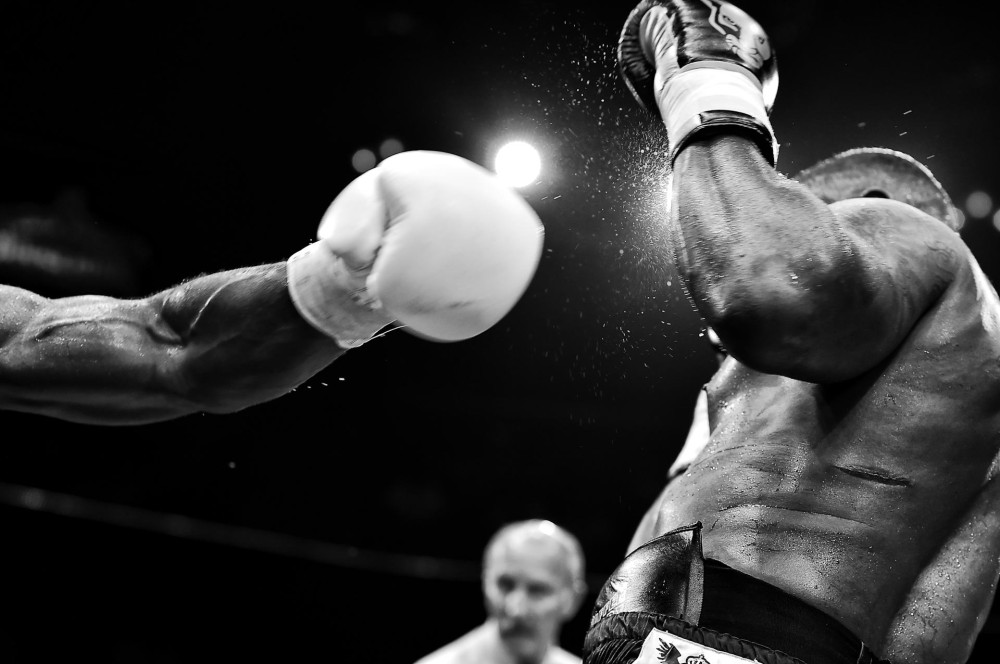
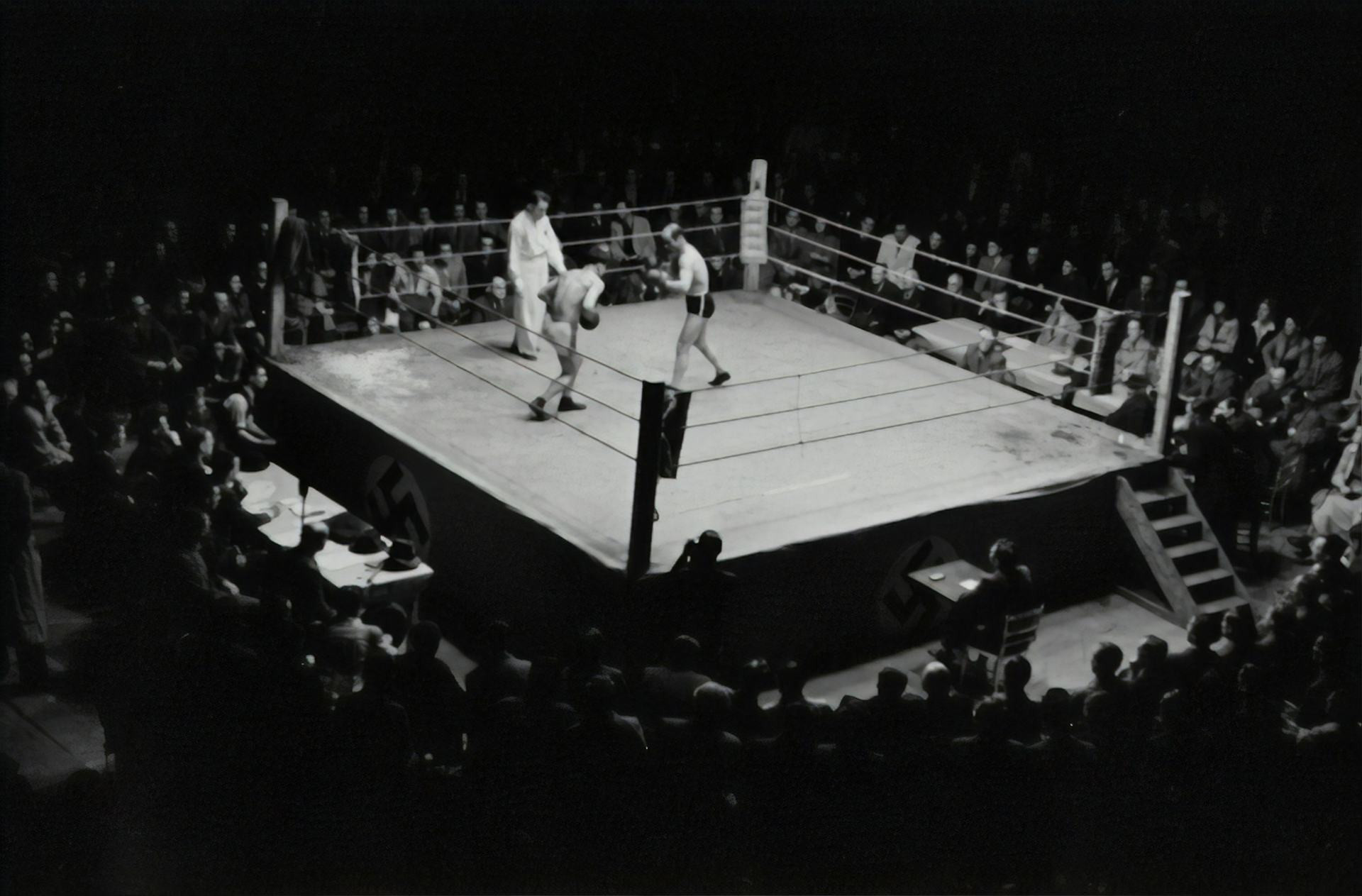
A professional boxing match usually consists of a set number of rounds – often 12 for title fights and fewer for smaller bouts. Each round lasts three minutes, and judges award points based on accuracy, technique, and control. If neither boxer is knocked out, the winner is decided on points.
When betting on boxing, it’s important to know the fight format, as it influences the pace, strategy, and likelihood of a knockout.
Læs også:


Moneyline – Who Wins the Fight?
The most common type of boxing bet is the moneyline, where you simply bet on who will win the fight. There are three possible outcomes:
- Boxer A wins
- Boxer B wins
- Draw
Draws are rare but possible if the judges’ scores are tied. The odds reflect who the bookmaker sees as the favourite and the underdog. Lower odds mean the boxer is more likely to win, while higher odds indicate a riskier but potentially more rewarding bet.
Method of Victory – KO, TKO, or Decision
Once you’re comfortable with the basics, you can bet on how the fight will end. The main outcomes are:
- KO (Knockout) – when a boxer is knocked down and cannot get up within 10 seconds.
- TKO (Technical Knockout) – when the referee stops the fight because a boxer can’t defend themselves properly.
- Decision – when the fight goes the full distance and the judges decide the winner on points.
Some bettors prefer to back a knockout if one fighter is known for power, while others choose a decision win if the matchup looks evenly balanced and tactical.
Over/Under – How Long Will the Fight Last?
Another popular market is the over/under bet, where you predict whether the fight will last longer or shorter than a set number of rounds. For example, betting on “over 7.5 rounds” means you expect the fight to go past the halfway mark, while “under 7.5 rounds” means you think it will end early.
To make smart over/under bets, consider each boxer’s style: are they aggressive punchers who end fights quickly, or patient tacticians who often go the distance?
Handicap and Special Bets
Some bookmakers also offer handicap bets, where one boxer is given a virtual advantage or disadvantage in points. This can make odds more appealing in fights with a clear favourite.
You can also find special bets, such as:
- The exact round in which the fight will end.
- Whether the referee will stop the fight.
- Whether a boxer will be knocked down during the match.
These bets are riskier but can offer higher payouts if you predict correctly.
Do Your Research Before You Bet
Success in boxing betting isn’t just about luck – it’s about understanding the fighters and their styles. Before placing a bet, look at factors like:
- Style – is the boxer aggressive or defensive?
- Experience – has the fighter faced strong opponents before?
- Physical attributes – weight class, reach, and stamina can all make a difference.
- Motivation – title fights, rivalries, or comeback stories can influence performance.
The more you know about these elements, the better your betting decisions will be.
Bet Responsibly
As with all forms of betting, it’s important to play responsibly. Set a budget and stick to it. Boxing can be unpredictable – one punch can change everything – so treat betting as entertainment, not as a guaranteed way to make money.
Ready for Your First Fight?
Once you understand the key terms and betting types, boxing betting becomes much more enjoyable and easier to follow. Start with simple bets, learn from your experiences, and gradually build your knowledge. Over time, you’ll find that understanding the sport and its nuances is the real key to becoming a smarter bettor.
Læs også: