Know the Player’s Signature Shot – and Understand the Rhythm of the Game

Know the Player’s Signature Shot – and Understand the Rhythm of the Game
When you watch tennis at the highest level, it can seem like a contest of power and precision. But beneath the surface, it’s equally about rhythm, timing, and reading the opponent’s patterns. Every player has their trademark movements, preferred shots, and tactical habits. Recognizing these signature shots can be the key to understanding why a match unfolds the way it does – and for those who play, coach, or even bet on matches, it can offer a crucial edge.
What Is a Signature Shot?
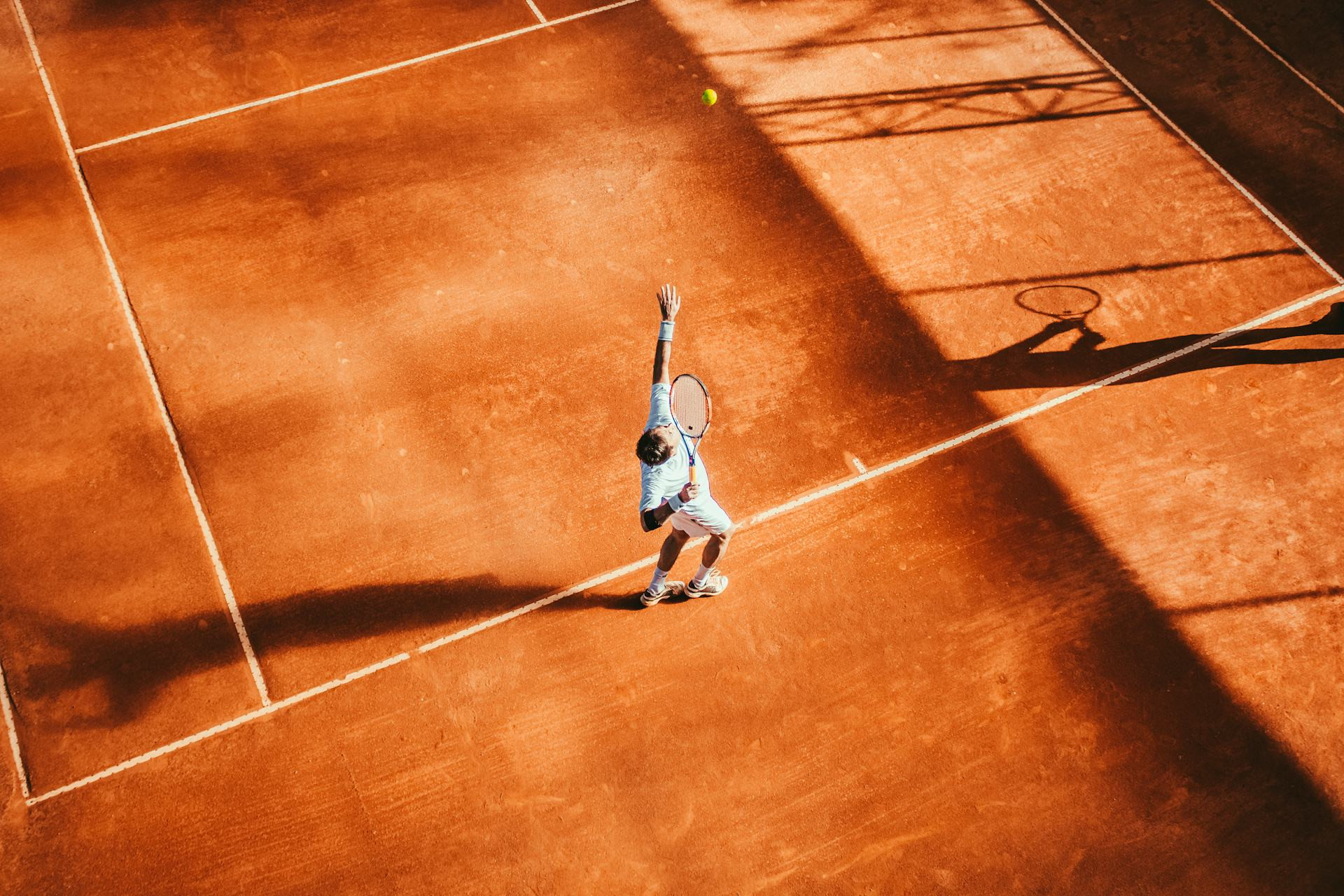
A signature shot is the move that defines a player – the one opponents fear and fans instantly recognize. It could be Novak Djokovic’s elastic backhand down the line, Rafael Nadal’s heavy topspin forehand, or Serena Williams’ explosive serve. The shot is not just technically brilliant; it’s psychological. When a player executes their signature shot cleanly, it sends a message: I’m in control.
To truly grasp the rhythm of a match, you need to notice when and how a player tries to bring their signature shot into play. That’s often where momentum shifts.
Læs også:

The Rhythm of a Tennis Match
A tennis match is like a musical composition – with changes in tempo, pauses, and recurring themes. Some players thrive in fast-paced rallies, while others prefer to disrupt the rhythm with slices, drop shots, or varied serves.
Understanding rhythm means observing how players attempt to dictate the flow. An aggressive baseliner will take the ball early to push the opponent back, while a more tactical player will vary pace and spin to create errors. When you watch with this perspective, you realize that rhythm is not just physical – it’s strategic.
How to Recognize Signature Shots in Practice
When you watch a match, look for recurring patterns:
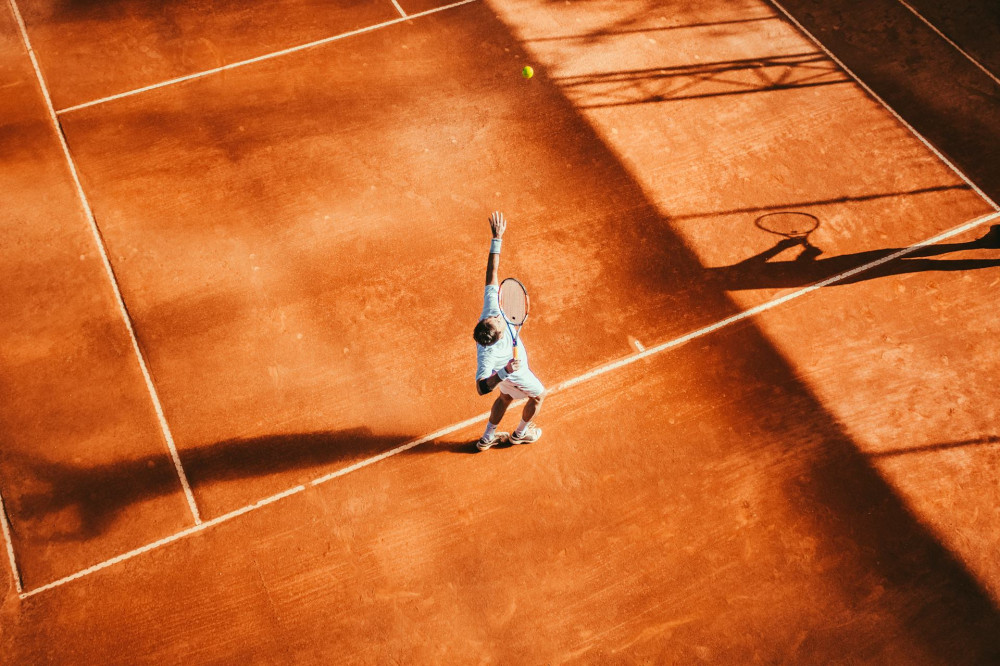
- The Serve as a Weapon: Many players build their entire game around the serve. It’s not only about aces but about setting up the next shot in the right position.
- The Forehand as a Dominant Stroke: Most top players constantly maneuver to hit from their forehand side, where they can dictate play. Watch how they move their feet to create space for that shot.
- The Backhand’s Versatility: A strong backhand can be both defensive and offensive. Players like Iga Świątek use it to redirect pace, while others employ slice to change rhythm and force mistakes.
- The Net Game as a Surprise: In an era dominated by baseline rallies, a well-timed approach to the net can break the rhythm and shift momentum.
By observing these patterns, you’ll quickly learn how a player brings their strengths into play – and how opponents try to neutralize them.
Why Rhythm Matters for Indian Tennis Fans and Analysts
For Indian fans, tennis is more than just a global sport – it’s a growing passion. From Rohan Bopanna’s doubles artistry to Sumit Nagal’s fighting spirit, Indian players are developing their own signature styles. Understanding rhythm and signature shots can deepen your appreciation of their matches and help you see the tactical layers behind every rally.
For those who follow tennis analytically – whether for coaching insights or betting – rhythm and signature shots are more than trivia. They can reveal when momentum is about to shift. A player losing rhythm might show it through double faults, shorter rallies, or frustrated body language. Conversely, when a player finds their rhythm, they can suddenly win a string of points. Statistics tell part of the story, but rhythm tells the story behind the numbers.
Knowing a player’s signature shot also helps you assess how they’ll perform on different surfaces. A player with a heavy topspin forehand may dominate on clay but struggle on faster courts. Such insights can be decisive when predicting match outcomes or understanding why a player’s form fluctuates.
Watch the Game with New Eyes
Next time you watch a tennis match – whether it’s the Indian contingent on tour or a Grand Slam final – focus on the rhythm rather than just the score. Who controls the tempo? When does the rhythm change, and why? Which shot turns the tide?
Once you start seeing these patterns, tennis becomes more than a sport. It becomes a strategic dance of timing, psychology, and precision. And the better you understand a player’s signature shot, the more you’ll appreciate the rhythm – and the unpredictable beauty – of the game.
Læs også: